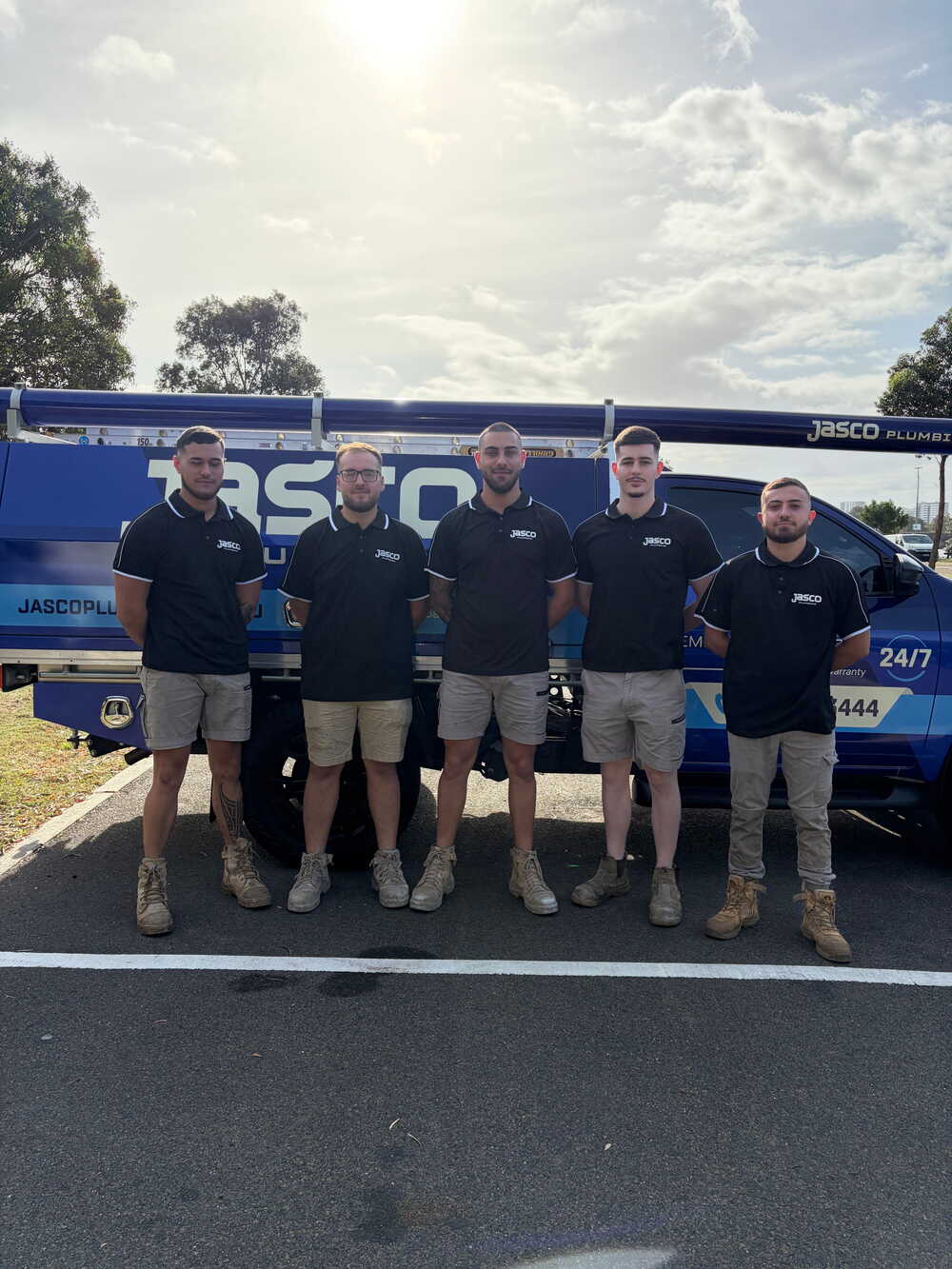
A camera down a drain doesn’t fix anything. Neither does a leak detector, a pipe locator, or any other bit of gear in the back of the van. What they do is stop the guessing, and guessing is what turns a two hour job into a lifted floor, a cut wall, and a bill nobody saw coming.
That’s the honest case for modern plumbing technology in a Sydney home. Not that it’s clever. That it means we dig once, in the right spot, instead of three times in the wrong ones.
TL;DR
- The main tools on a residential job are drain cameras, acoustic listening gear, thermal and moisture readings, pipe and drain locators, and high pressure water jetting.
- Cameras and locators are diagnostic. They tell you what’s wrong and exactly where. Jetting and relining are the repair side.
- Technology earns its keep on repeat problems, hidden leaks, and anything under concrete or a finished floor. For an obvious blocked kitchen sink, it’s often overkill.
- Footage and a written report also matter later, for insurers, strata, or a council claim.
- None of it replaces a licensed plumber reading it properly. A camera shows a crack. A person decides what to do about it.
Drain cameras: looking inside the pipe instead of guessing at it
A drain camera is a small waterproof head on a flexible rod, fed through an inspection opening or a cleared drain line. You watch it live on a screen. Drain problems don’t always have an obvious cause, and what looks like a simple blockage can turn out to be a cracked pipe, tree root intrusion, or years of buildup.
What the camera settles in about ten minutes:
- Whether it’s a blockage or a broken pipe. Very different repairs.
- Whether roots are involved, and how far in they’ve grown.
- Whether the pipe has sagged, cracked, or partly collapsed.
- Whether the line was laid badly in the first place, which is why the same spot blocks every year.
Most locators pair with the camera head, so the plumber can stand in the yard and mark the exact point above the fault, with a rough depth. That’s the difference between opening one square metre of lawn and trenching along the whole side of the house.
Root damage is a good example of why the picture matters. Roots don’t usually break a healthy pipe. Root intrusion generally happens where the pipe is already damaged or reaching the end of its useful life. So if roots keep coming back after every clear, the camera is telling you the real story: the pipe needs repair, not another cut.
If you want the fuller picture on why lines block in the first place, we’ve covered the common causes of blocked drains separately. This one is about the gear used to prove it.
Leak detection: finding water you can hear but can’t see
Hidden leaks are the jobs where technology pays for itself fastest, because the alternative is opening walls until you get lucky.
Acoustic listening
Pressurised water escaping a pipe makes a specific noise. Ground microphones and amplified listening gear pick it up through tiles, concrete, and soil, and the plumber works the sound to its loudest point. Works best on pressure lines: the mains, the hot and cold runs, the line out to the meter.
Thermal imaging
A thermal camera reads surface temperature. A hot water leak under a slab shows as a warm streak across a cold floor. A cold water leak often shows the opposite, as evaporation cools the surface. It doesn’t see through walls, it reads what the wall’s surface is doing, which is why it works alongside other checks rather than on its own.
Moisture meters and the meter test
Moisture readings map how far water has travelled through plaster and timber, which tells you the size of the drying job as well as the leak. And the oldest test still holds up: shut every tap, watch the water meter, and if the dial is still creeping you’ve got water going somewhere. It costs nothing and it’s the check we’ll usually ask you to do over the phone.
These are the same tools that turn a vague suspicion into a location. If you’ve noticed pressure dropping or a patch of floor that never dries, the warning signs a pipe is about to burst are worth reading before you book anything.
Water jetting and the old electric eel
On the repair side, the biggest shift in drain work is high pressure water jetting. A specialised hose sends water down the line at pressure, with a head that cuts forward and scours backward.
The practical difference from a mechanical cutter, the traditional eel:
- An eel punches a hole through the blockage. Flow returns, the grease or root mass on the pipe wall largely stays.
- A jetter strips the wall back toward bare pipe, so it takes longer to rebuild.
That’s why a jetted line usually stays clear longer, and why a camera run afterwards is worth having. It shows whether the pipe underneath the mess is actually sound.
Trenchless repair: why the footage decides the option
Pipe relining puts a resin liner inside the existing pipe and cures it in place, forming a new pipe within the old one. It suits cracked or root damaged sections where digging would mean lifting a driveway, a slab, or a footpath. It isn’t right for every pipe. A badly collapsed or misaligned line still needs excavation.
The point for a homeowner: nobody can tell you which applies without seeing inside. A camera inspection is what turns that question into an answer instead of an opinion.
Which tool suits which symptom
| What you’re noticing | Usual first tool |
|---|---|
| Same drain blocks every year | Camera inspection plus locate |
| Gurgling toilet, slow shower, smell outside | Camera inspection of the main line |
| Water bill jumped, nothing looks wet | Meter test, then acoustic detection |
| Warm or damp patch on a concrete floor | Thermal imaging plus moisture readings |
| Digging or landscaping planned | Drain locate and mark up |
| Buying an older house | Pre purchase camera inspection of the sewer line |
| One blocked kitchen sink, first time | Standard clear. Camera only if it returns |
Where technology doesn’t help
Being straight about it: a camera can’t see through a pipe full of water and sludge, so the line usually has to be cleared first. Thermal imaging can flag a warm patch that turns out to be a sunlit floor. Acoustic gear struggles on a noisy street or a plastic pipe buried deep in loose soil. And no tool tells you what to do next. That’s the plumber’s call, based on the pipe’s age, material, position, and what you’re planning to do with the house.
Worth knowing too: a camera inspection is diagnostic, not preventative. Booking one every year on a house that’s never had a drainage issue is money you could keep.
The paperwork side people forget
Footage and a written report have a second life after the repair. Insurers ask for evidence of what failed and where. Strata committees need to know if the fault sits in common property or inside your lot. Councils have their own requirements: some ask for a licensed plumber’s report as part of any claim about tree root damage.
Location matters more than most people expect, because responsibility usually extends past the fence. Sydney Water owns the junction, but the property owner is responsible for their connection to the wastewater system. A camera that marks the fault three metres inside the boundary, or two metres outside it, has just answered the most expensive question on the job. You can check the ownership split on the Sydney Water maintaining your service page.
What to ask before you agree to an inspection
- Do I get the footage, or just your summary of it?
- Will you locate and mark the fault on the surface, with a depth?
- Is the inspection a fixed price, and is it separate from the clearing work?
- If you find damage, what are my options, and which ones do you actually carry out?
- Is a second camera run included after the repair?
If the answers are vague, that’s your signal. Good gear used honestly produces a screen you can look at yourself.
A note on gas and anything electrical
Gas leak detection uses its own instruments and its own licensing. If you smell gas, don’t go hunting for it with an app or a hardware store sniffer. Turn off the gas at the meter if you can do it safely, get everyone outside, avoid switches and flames, and call the gas emergency line and a licensed gas fitter. Same principle where water and electricity meet. Technology is for diagnosis, not for having a go yourself.
The takeaway
Modern plumbing technology isn’t about looking impressive on a website. It’s about arriving at a house with a recurring blockage or a mystery damp patch and leaving with a location, a photo, and one repair rather than a series of attempts.
If a drain in your place keeps blocking in the same spot, or you’re paying for water you can’t account for, book a CCTV drain inspection and get a look inside before anyone starts cutting. Tell us what the drain is doing and roughly when it started, and Bill or one of the team will let you know whether a camera is the right first step or whether we can sort it faster another way.