TL;DR
- A blocked kitchen drain, failed grease trap, dead hot water system, or gas fault can each stop a restaurant trading within hours. Most of these don’t happen without warning.
- Commercial kitchens put far more through their plumbing than any home. The volume, the grease load, and the hours all compound faster than most owners realise until service is already cancelled.
- Grease traps are a legal requirement for Sydney food businesses under Sydney Water’s Trade Waste Policy. A blocked or overdue trap is one of the fastest ways to lose a day’s trade and attract a compliance notice.
- Most of these faults have early signs. Catching them before a Friday dinner service is always cheaper than calling an emergency plumber at 6am on a Saturday.
The difference between a home kitchen and a commercial one
A residential kitchen runs a tap a few times a day. A restaurant kitchen runs every sink, the commercial dishwasher, the pot wash, and the floor drains for eight to twelve hours straight. The grease load from a single lunch service would take a home kitchen weeks to produce.
That volume is why commercial kitchen plumbing fails in ways and at speeds that catch owners off guard. The signs are usually there beforehand. They just get easy to ignore when service is busy.
Blocked kitchen drains: the most common trading stopper
A slow drain in a home is an inconvenience. A slow drain in a commercial kitchen is a countdown. Once the sink backs up during service, everything stops: washing, rinsing, prep. If it’s the floor waste, you’ve got a hygiene problem on top of an operational one.
The cause is almost always fat, oil, and grease (FOG) combining with food particles and building up inside the pipe over time. It doesn’t block overnight. It narrows the pipe gradually until one busy service tips it over.
The warning signs to act on before it fully blocks:
- Sinks draining noticeably slower than a month ago
- A gurgling sound from the drain after the water clears
- A persistent smell near the sink or floor waste that doesn’t shift with cleaning
- Water pooling around the floor drain during peak service
A plunger won’t fix a grease-built drain in a commercial kitchen. The buildup coats the pipe walls and needs high-pressure water jetting to clear properly, not just a hole punched through it. A drain that’s been jetted properly stays clear far longer than one that’s been quickly poked through.
For more on what professional drain clearing actually involves, see our post on how plumbers clear blocked drains in Sydney.
Grease trap failures: the compliance fault that closes kitchens
This is the one that catches restaurant owners out most often, because the grease trap sits outside and out of sight. Until it backs up into the kitchen.
What the law says: Under the Sydney Water Policy, all food businesses that produce fats, oils, and grease must be fitted with, and maintain, an approved grease trap as part of a Trade Waste Agreement. This isn’t a recommendation. It’s not optional. Grease traps are required by law for most commercial food premises.
How they fail in practice: A grease trap works by trapping grease and solids, preventing them from clogging up the drains and the sewage system. Without it, grease can build up in the pipes, causing blockages, foul smells, and contamination of the environment. When the trap itself fills past capacity, it stops separating effectively and the grease starts moving downstream into the sewer line or backing up into the kitchen.
Sizing matters too: A small cafe with a single-bowl sink and one dishwasher might need a 1,000 litre arrestor. A large restaurant with multiple sinks, a commercial dishwasher, and a wok station could require 2,500 to 5,000 litres. An undersized trap fills faster and fails sooner.
The compliance risk: Penalties for non-compliance and missing schedules can result in fines up to $11,000 and a formal warning letter from the water authority for a pump-out schedule. Beyond the fine, a backed-up grease trap during a health inspection can trigger a temporary closure order.
The practical fix is scheduling. Know your pump-out frequency, keep records, and book it before the trap hits capacity rather than after it backs up. If your trap is already causing slow drains or smells inside the kitchen, that’s a plumber call, not a cleaning company call.
For a broader look at trade waste compliance and what it covers for commercial sites, see our post on commercial plumbing compliance in Sydney.
Hot water system faults: no hot water means no service
A commercial kitchen needs hot water to meet food safety requirements for handwashing, dishwashing, and sanitising surfaces. If the hot water system goes down during service, you’re not just uncomfortable. You may be legally unable to continue operating under NSW food safety standards.
Commercial hot water systems work harder than residential ones and fail for similar reasons: sediment buildup, element failure on electric units, thermostat faults, and on gas systems, burner or valve issues. The difference is the timing. A home system failing is an inconvenience. A commercial system failing at 11am on a Saturday is a crisis.
Signs the system is heading toward failure:
- Hot water that runs out faster than it used to during a shift
- Water that’s warm but never reaches the temperature it should
- Discoloured water from the hot tap, especially first thing in the morning
- Rumbling or banging from the tank during heating cycles
- Any water pooling around the base of the unit
A system showing two or three of those signs is telling you it’s close to the end. Replacing it on a planned weekday is a fraction of the disruption of an emergency swap mid-week during a booking period.
Gas faults: the fault that stops everything immediately
Most Sydney restaurant kitchens run on gas. Cooktops, ovens, char grills, wok burners, and sometimes the hot water system all feed from the same gas line. A gas fault doesn’t just slow service. It stops it entirely, and it requires an immediate response.
A gas leak in the kitchen should trigger immediate action: ventilate and call 000, since gas lines are as critical as water pipes. That’s the emergency response. But there are also slower-moving gas faults that don’t announce themselves with a smell.
Signs of a gas issue worth acting on before it becomes an emergency:
- A faint smell of gas that comes and goes, especially near appliances or the meter
- Burners that won’t ignite consistently or that keep going out under normal conditions
- Appliances that heat unevenly when they used to perform reliably
- A sudden unexplained rise in your gas bill without a change in usage
- Any hissing sound near a gas line, fitting, or appliance connection
All gas work in NSW must be done by a licensed gas fitter. This includes connecting appliances, extending lines, and diagnosing faults. A kitchen that’s been modified over the years, with appliances added or moved by different contractors, can end up with connections that aren’t compliant. A gas compliance certificate should exist for every piece of installed gas work.
Toilet and bathroom blockages: the one customers notice
Kitchen drains aren’t the only drains in restaurants that are vulnerable to clogs. Another major plumbing issue experienced by Sydney restaurants is blocked toilets. Restaurant toilets get a lot of use, and unfortunately not all guests follow good etiquette.
Tampons, female hygiene products, wet wipes, and paper towels don’t break down in water and can cause severe blockages in the sewerage system. Ensure all restrooms have signage asking patrons not to flush sanitary items.
A blocked or overflowing toilet during service is a health issue and a customer experience problem. If you’re seeing the toilet back up regularly, or if multiple fixtures are slow at the same time, the problem is likely further down the line than the toilet itself. That’s a licensed plumber job, not a plunger job.
Hidden leaks: the cost you don’t see until the bill arrives
Problems like hidden water leaks, blocked grease traps, inefficient water heaters, or ageing gas lines often go unnoticed until they start causing serious disruptions. In a commercial kitchen, a slow leak under a sink or behind a wall can go undetected for weeks while quietly rotting the substrate, growing mould, and running up your water bill.
The meter test is worth doing periodically: turn off every tap and appliance in the building, note the meter reading, wait fifteen minutes without using any water, and check whether the meter has moved. If it has, water is going somewhere it shouldn’t be.
Leak detection technology, including acoustic listening equipment and thermal imaging, can locate a hidden leak without opening walls unnecessarily. It’s worth asking your plumber about this before anyone starts cutting into cabinetry.
The maintenance schedule that prevents most of this
Most of the faults above don’t appear without warning. They build. The restaurants that avoid mid-service plumbing failures are almost always the ones that treat the plumbing like any other piece of kitchen equipment: scheduled, documented, and not left until it breaks.
A practical maintenance approach for a Sydney restaurant:
- Weekly: Check all sink drains for speed. If any are slower than last week, that’s worth noting.
- Monthly: Check under sinks and around the dishwasher for any moisture, drips, or staining that wasn’t there before.
- Every 3 to 6 months: Schedule a professional jet clean of the kitchen drain lines, especially before peak periods like summer and the festive season.
- Per your Trade Waste Agreement: Grease trap pump-outs must happen on the schedule set by Sydney Water. Keep records. Don’t let this slip.
- Annually: Have a licensed plumber inspect the hot water system, gas appliance connections, and visible pipework. Catch the small things before they become the 6am Saturday call.
When to call a plumber, not a cleaner
Some kitchen drain issues get handed to the cleaning staff first. That’s fine for surface-level maintenance. But if a drain is slow, smells, or backs up despite being cleaned, it’s a plumbing problem, not a hygiene problem. Chemical drain cleaners poured into a commercial kitchen drain don’t fix a grease-built pipe. They can damage PVC, and they push the problem further down the line.
Call a licensed plumber when:
- A drain is consistently slower than it was, despite cleaning
- You’re getting smells from drains or the grease trap area
- Water is backing up in a sink, floor waste, or toilet
- Hot water is unreliable or running out before the end of a shift
- You smell gas anywhere in the kitchen or near appliances
- Your water bill has jumped without an obvious reason
- The grease trap is overdue for a pump-out and you’re seeing slowdown
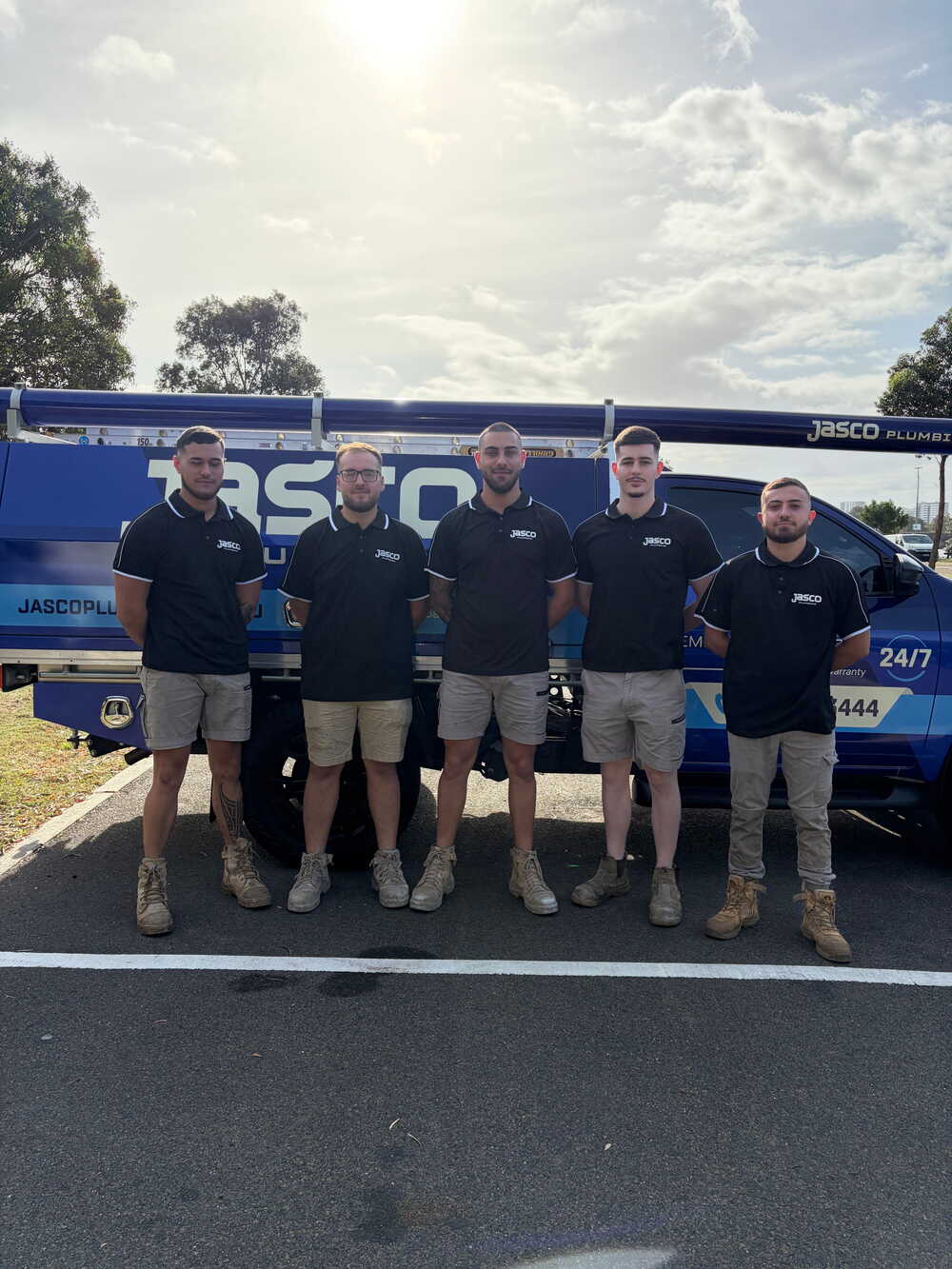
If you’re in Sydney and need a licensed plumber who works with commercial kitchens and restaurants, call Jasco Plumbing. We give you a fixed price before any work starts, show up in a signed van, and don’t leave the site until the problem is sorted. Call us or request a callback and tell us what’s happening.